Pest Control in Scarborough, ON: Areas, Transit & Journey Basics
Scarborough, ON is within the City of Toronto and covers a wide eastern section of the city, which means local conditions can differ significantly from one block to the next. For anyone looking into pest control Scarborough residents often need a local lens: housing type, transit access, nearby green space, and proximity to the Lake Ontario shoreline can all affect where and why pests show up. A neighbourhood guide is especially helpful here because a residential area near the Scarborough Bluffs may face different seasonal pests than a dense corridor with apartment buildings or a quieter pocket of townhomes and single-family homes.
This guide connects local pest control with everyday life in Scarborough, from transit access near Kennedy Station and Line 3 Scarborough to travel routes along Highway 401, Kingston Road, and the Don Valley Parkway. Whether you live in Agincourt, Malvern, Birch Cliff, or Guildwood, or you commute across Toronto using TTC or GO Transit, understanding local movement patterns can help you spot infestation signs earlier and choose the right prevention tips for your property type.
Why Scarborough’s geography affects pest pressure
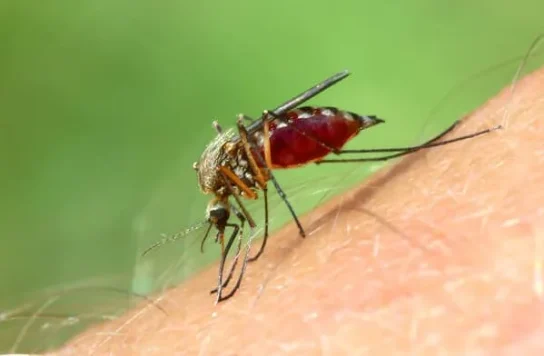
The landscape in Scarborough is one reason pest pressure can feel inconsistent across the area. The Scarborough Bluffs and the Lake Ontario shoreline create a moist wind-swept edge that can support different seasonal pests than inland streets. Areas close to water and shoreline vegetation often see more mosquitoes in warm months, while nearby urban green space can give ants and wasps more places to nest. In an urban environment like this, pest behaviour is shaped by humidity, shelter, and food access as much as by temperature.
Another factor is the range of property types. Scarborough has apartment buildings, townhomes, and single-family homes, sometimes within the same commuter routes and shopping districts. Multi-unit housing can create shared-wall pest movement, especially for cockroaches and bed bugs, while detached homes may see more entry points around foundations, garages, and attics. Local pest control strategies need to account for these differences because an inspection service in one part of Scarborough may focus on common-entry points, while another may prioritize sanitation and sealing gaps in a high-rise or low-rise building.
Scarborough’s size also means service availability can vary by neighbourhood and by the time of day. If you rely on transit access, proximity to subway stations, or major roads, that can affect how quickly a licensed exterminator gets to the site and how efficiently they can move between service areas. In practical terms, geography influences both the pests and the response.
Areas and typical area factors
Each Scarborough neighbourhood has its own blend of structures, foot traffic, and nearby landscape features. It matters for pest control scarborough because the same species may enter through different routes depending on the area. A neighbourhood guide for Scarborough should always consider both the built environment and the surrounding conditions.
Agincourt
Agincourt is a busy residential and commercial pocket with a strong mix of apartment living, townhomes, and single-family homes. This variety can create varied infestation signs, especially in older low-rise buildings where cockroaches and rodents may move between service lines, storage areas, and shared utility spaces. For residents, integrated pest management usually starts with inspection, sanitation, and targeted treatment options rather than broad chemical use. Because Agincourt is connected to commuter routes and shopping corridors, waste collection areas and loading zones should also be monitored regularly.
Malvern
Malvern has many family-oriented residential streets and a mix of housing forms that can experience rodents and ants in different ways. In a property type with ground-level access, pests may enter through cracks, door sweeps, or landscaping borders. In apartment buildings, the challenge may be movement through shared walls or balconies. Local pest control in Malvern often benefits from eco-friendly solutions that combine exclusion work, moisture reduction, and monitoring rather than relying only on a one-time treatment. That approach is especially useful in a large residential area where recurring pressure can happen throughout the seasons.
Birch Cliff
Birch Cliff sits closer to the Lake Ontario edge and the Scarborough Bluffs, which means moisture, mature trees, and sloped terrain can all influence pest activity. Wasps may nest around eaves or garden structures, while mosquitoes can be more noticeable near shaded or damp backyards in warmer weather. Single-family homes in Birch Cliff may also see rodents if outdoor food sources or gaps in the exterior invite them in. For homeowners here, prevention tips often focus on sealing openings, trimming back vegetation, and watching for small infestation signs around sheds, crawlspaces, and rooflines.
Guildwood
Guildwood’s calmer streets and lush surroundings can be appealing, but they also encourage seasonal pests, particularly near gardens and wooded edges. Ants and wasps are frequent concerns in numerous parts of the neighbourhood, and mosquitoes can become a problem after rain or during humid spells. Guildwood also includes a range of housing styles, from detached homes to townhouse clusters, so service planning should reflect how pests may move between units or outdoor areas. A local pest control provider with experience in the area will usually tailor the inspection and treatment plan to these conditions.
Transportation and connectivity across Scarborough
Travelling across Scarborough is important to daily life, and it also matters when arranging pest control service. Line 3 Scarborough, Kennedy Station, TTC bus routes, and GO Transit all help shape how https://richmond-hill-onca303.urbanvellum.com/posts/top-eateries-in-scarborough-on-for-food-enthusiasts promptly service teams can reach different parts of the area. For residents, transit access can also shape how to schedule an inspection service around work, school, or travel plans.
Line 3 Scarborough and Kennedy Station remain key transit landmarks, especially for residents who move between east Toronto and the broader subway system. Kennedy Station is a major transfer point, and nearby neighbourhoods often have improved service availability because routes converge there. TTC bus routes extend the network into local residential streets, making it easier to serve apartment buildings and townhomes that are farther from rail stops. GO Transit adds another layer of access for commuters and visitors travelling through Scarborough into downtown Toronto or beyond.
For pest control Scarborough customers, strong transit access can enable same-day service in some cases, particularly when the provider is already operating nearby. However, traffic and route changes still matter, so a licensed exterminator will often schedule appointments around school zones, rush hour, and major commuter routes. That scheduling flexibility can make a real difference when dealing with rodents, cockroaches, or bed bugs that need quick attention.
Transportation essentials for locals and guests
Scarborough’s transport routes is defined by Highway 401, Kingston Road, and the Don Valley Parkway. These main roads affect commute times, define access points, and influence how people move between neighbourhoods. For visitors, those same roads can help explain why some parts of Scarborough feel close together while others take longer to reach, especially during rush hour or conditions-related slowdowns.
Highway 401 is the best-known east-west travel route, linking Scarborough with the rest of Toronto and surrounding areas. Kingston Road serves as another important corridor, particularly for neighbourhoods nearer to the waterfront and older residential areas. The Don Valley Parkway helps people move north-south and connect toward central Toronto, though travel times can vary significantly by time of day. If a pest control appointment is coming up, it is wise to check travel times before booking so that your inspection or follow-up visit can happen without preventable delays.
Residents who commute regularly often build their schedules around traffic patterns and TTC connections. That matters if you are coordinating pest control in a multi-unit building or arranging access for a technician in a single-family home. Careful scheduling is especially useful when a provider is managing multiple service areas across eastern Toronto and needs to fit in inspections smoothly.
Year-round rodent patterns in Scarborough
As in much of Toronto, Scarborough experiences pest patterns vary through the year. These pests change with weather, moisture, and indoor shelter needs, which means the same home can face different issues in summer than in winter. A good local pest control plan should account for those shifts instead of waiting for a visible problem to get worse.
Rodents frequently become more noticeable when outdoor conditions turn colder, but they can also appear any time food and nesting opportunities exist. In Scarborough, rodents may travel along fences, utility lines, laneways, and around apartment buildings or townhomes where access points are easy to find. Prevention tips include sealing gaps, securing food waste, and checking garage and basement areas.
Ants are common around kitchens, patios, and foundations, especially in spring and early summer. In neighbourhoods with more yard space or nearby urban green space, ants may establish trails quickly. A professional inspection can help identify where they are entering and whether the issue is mainly inside, outside, or both.
Cockroaches are often associated with shared walls, moisture, and food residue, which makes them a concern in apartment living as well as some townhouse settings. In apartment buildings, they can move through voids and utility chases, so integrated pest management is often more effective than a single treatment alone. Cleaning, monitoring, and repeat visits are often necessary.
Bed bugs remain one of the most stressful pests for residents because they spread easily through furniture, luggage, and multi-unit housing. They are not caused by poor housekeeping alone, and they can affect any property type. Early inspection and careful treatment options are essential, especially when a building has several units or frequent tenant turnover.
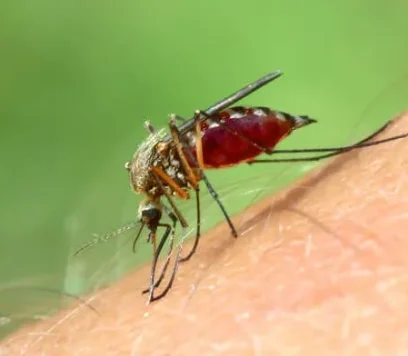
Wasps tend to be more active around eaves, decks, sheds, and rooflines during warmer months. Homes near trees, gardens, or open yards can be more vulnerable. Mosquitoes are also a recurring concern in summer, particularly close to standing water, shaded landscaping, or shoreline-adjacent areas near Lake Ontario and the Scarborough Bluffs.
How to choose local pest control in Scarborough
Choosing area pest control in Scarborough means looking for something beyond a quick fix. Start with a licensed pest control provider or licensed exterminator who knows the city’s housing patterns and can outline treatment options clearly. In a large eastern section of Toronto like Scarborough, experience with different service areas matters because the needs of a high-rise near transit are unlike those of a detached home near the Bluffs.
A thorough inspection should be part of the process. An effective inspection service identifies infestation signs, explains likely entry points, and considers the property type, not just the pest species. Ask whether the company uses integrated pest management, which typically combines monitoring, exclusion, sanitation guidance, and targeted treatments. This approach is often more sustainable and can work well in apartment buildings, townhomes, and single-family homes alike.
It is also smart to ask about service availability and whether same-day service is possible in urgent cases. Response speed can be important for bed bugs, rodents, and active cockroach issues, but it should not replace proper diagnosis. A provider familiar with Scarborough should also be able to describe nearby service areas and how transit access or road conditions affect scheduling.
If you want eco-friendly solutions, mention that early. Many customers prefer treatment plans that reduce unnecessary exposure while still addressing the problem effectively. The best providers will explain how prevention tips, sealing, monitoring, and targeted applications fit together, rather than pushing only one method for every situation.
What to anticipate during a service visit
The majority of pest control visits in Scarborough open with an initial inspection. During this step, the technician checks for infestation signs, reviews the property’s history, and checks likely hotspots such as kitchens, basements, laundry rooms, attics, and exterior entry points. In apartment living, this assessment may also include shared areas or coordination with building management.
From there, the provider should explain a treatment plan. That plan may include traps, baiting, exclusion work, targeted sprays, dusts, or non-chemical measures depending on the pest and the setting. Integrated pest management is especially useful because it centres on reducing the underlying cause of the issue, not just the visible activity. For example, a rodent issue may require sealing openings and adjusting storage habits, while bed bugs may require more extensive preparation and follow-up.
Many providers also include preparation instructions before the visit. These instructions may ask you to clear surfaces, move furniture, secure pets, or wash bedding depending on the situation. Following them closely helps the inspection and treatment go more smoothly, and it often improves results. After the first visit, a follow-up visit may be scheduled to confirm progress, inspect traps, or adjust treatment options. That second visit is especially important for cockroaches, rodents, and bed bugs, where repeated monitoring can be necessary.
For residents across Scarborough, being prepared also means understanding timing. If your home is near Highway 401, Kingston Road, or the Don Valley Parkway, allow for travel times that can fluctuate. If you live near Kennedy Station or a busy TTC corridor, coordinate access carefully so the technician can arrive and complete the work without disruption.
Common questions about pest control in Scarborough

What are the most common pests in Scarborough, ON?
The most common concerns for pest control Scarborough residents raise are rodents, ants, cockroaches, bed bugs, wasps, and mosquitoes. The exact issue depends on the neighbourhood, housing type, and season. Apartment buildings may see more cockroaches and bed bugs, while single-family homes near green space or the shoreline may notice more ants, wasps, and mosquitoes.
How fast can pest control service reach multiple Scarborough neighbourhoods?
Response time depends on availability of service, traffic, and transit access. Locations close to Kennedy Station, Line 3 Scarborough connections, and major routes like Highway 401 or Kingston Road may be easier to reach quickly, especially for same-day service. Extra time may be needed during peak commute periods or if the provider is travelling from another part of Toronto.
Do apartments and townhomes in Scarborough need different pest treatments?
Certainly. Apartment buildings often require coordinated treatment because pests can move between units through shared walls, plumbing, and utility spaces. Townhomes may need a mix of interior treatment and exterior exclusion work. A licensed pest control provider should tailor the inspection, treatment plan, and follow-up visit to the property type.
Is pest control in Scarborough affected by winter weather?
Yes, winter weather can alter pest behaviour. Rodents often move indoors seeking warmth and food, while some outdoor pests become less active. That said, winter is not a break from pest problems, especially in multi-unit housing and older homes. Winter is often a good time for inspection and prevention tips because issues can be easier to spot inside.
Mosquito Man Scarborough1225 Kennedy Rd, Scarborough, ON M1P 4Y1, Canada
+1 647-243-7241
https://maps.app.goo.gl/8SuLx1MkkqVJFc2m9 https://mosquitoman.ca/pest-control/scarborough/
43.7561897, -79.2751574
What should I do before a pest control visit?
Use the preparation instructions provided by your technician. Common steps include freeing floors and counters, storing food properly, moving items away from walls, and making space for access to affected areas. If you live in apartment living, notify building management if needed. Good preparation helps the inspection service, treatment options, and follow-up visit work more efficiently.